

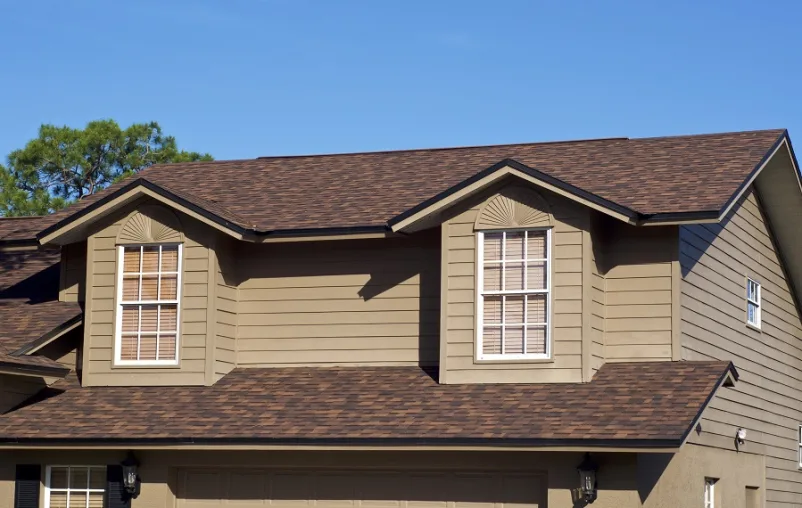
Roof damage from storms doesn’t usually happen all at once. However, the accumulation of high winds, hail, freezing rain, and debris over multiple seasons can wear down even the strongest roofing systems. That is to say, ignoring small signs of damage after each storm leaves your home more vulnerable every time the clouds roll in.
We always recommend beginning with a clear understanding of your roof’s current condition. Therefore, a full assessment by an experienced roofer should be step one in any long-term storm protection plan. We’ve found that many homeowners in Calgary underestimate how often they need this inspection. As a result, small cracks, loose shingles, and flashing issues go unnoticed until a major leak appears.
Building a Roof Maintenance Routine That Works Year After Year
After that initial inspection, creating a consistent maintenance schedule is essential. For example, clearing debris from gutters and inspecting for uplifted shingles should happen at least twice a year. In addition, check areas around chimneys and skylights where water is more likely to penetrate.
To clarify, a maintenance routine doesn’t mean full repairs each time. Most importantly, it’s about preventing problems from developing into expensive failures. Likewise, small tasks like replacing worn sealants or tightening fasteners can dramatically increase your roof’s durability in the long run. Our team regularly performs these preventive services after identifying risk factors during seasonal checks.
Choosing Materials That Perform Well in Calgary’s Extreme Weather
The type of roofing material you use has a huge impact on how storm-resistant your roof will be. For instance, asphalt shingles are common, but not all are rated equally. Therefore, choosing materials that meet or exceed Class 4 impact resistance can offer meaningful protection against hail.
Similarly, underlayment choices matter just as much. In the same vein, using ice and water shields in valleys and along eaves provides better water resistance during melt-freeze cycles. We always advise homeowners to weigh performance over price when selecting materials. Consequently, you end up saving money on future repairs by investing a little more up front.
Planning Structural Reinforcements and Upgrades Proactively
Long-term roof protection doesn’t stop at shingles. That is to say, roof decking, trusses, and fasteners all play a role in storm resistance. If your roof is older or was built under outdated code requirements, it’s worth asking whether reinforcements are needed.
For example, adding hurricane clips or additional bracing can significantly increase wind resistance. Moreover, updated vent systems reduce the risk of moisture buildup that leads to rot and mold. During projects involving roof repairs in Calgary, we often find that older homes benefit greatly from small structural adjustments. These upgrades give the entire system more strength to resist wind uplift.
Considering Roof Shape, Slope, and Overhang as Long-Term Factors
In addition to materials and reinforcements, the shape and pitch of your roof determine how well it deflects wind and water. Flat or low-sloped roofs are more prone to pooling and pressure buildup. Likewise, complex rooflines with multiple valleys or overhangs face higher risks during extreme storms.
Therefore, if you’re planning a renovation or roof replacement, include design in your storm-proofing discussion. To clarify, altering pitch or reducing overhangs can drastically improve wind flow and drainage. We’ve worked with homeowners to revise designs slightly during major upgrades, and the resulting performance improvements were significant.
Coordinating Your Roofing Plan with Gutter and Drainage Systems
No storm protection plan is complete without addressing your roof’s water management. That is to say, even the best roof will struggle if your gutters can’t handle runoff. Overflowing gutters lead to siding damage, ice damming, and eventual leaks.
Consequently, we often recommend oversized or seamless gutter systems for homes in high-risk areas. In addition, downspouts should be directed far away from the foundation. During the process of reviewing a home’s full storm-readiness, we also inspect all roof drainage components to ensure they’re clear and functional.
Scheduling Timely Inspections After Each Major Weather Event
Ongoing storm protection means acting promptly after each event, not just planning ahead. For instance, wind storms might loosen flashing, while hail can cause subtle bruising that leads to future shingle failure. However, these issues may not show up from the ground or cause immediate leaks.
That’s why we advise scheduling roof inspections shortly after every major weather event. Most importantly, this helps identify early signs of damage before water intrusion or mold begins. Our team logs storm timelines and inspection reports for our clients, so there’s a clear record of roof condition and maintenance history.
Educating Yourself on Insurance Requirements and Roof Lifespan
A truly sustainable protection plan involves understanding what your insurance covers and how your roof’s age affects that coverage. In other words, many insurance policies limit storm-related payouts if the roof is over a certain age.
Furthermore, insurers may require regular maintenance or documented repairs to validate future claims. Therefore, keeping a file with photos, receipts, and inspection reports is part of the long-term strategy. In the same vein, we encourage homeowners to have an open conversation with their provider during the planning phase. That way, you’re not left guessing during a crisis.
Making Room in Your Budget for Emergency Repairs and Future Replacements
Storm protection isn’t just about what you do today. Rather, it’s about preparing for what may happen tomorrow. Consequently, setting aside funds for emergency repairs makes it easier to respond without delay. We’ve seen many homeowners scramble financially after a storm simply because they weren’t expecting the cost.
Likewise, if your roof is nearing the end of its life, plan for its full replacement well in advance. This gives you time to compare materials, contractors, and scope of work. Our clients often use roofing services in Calgary to proactively begin phased replacements in high-risk areas, such as west-facing slopes or wind-exposed ridges.
Working With Local Experts Who Know Calgary’s Weather Patterns
Finally, one of the most important elements of a solid protection plan is choosing the right contractor. However, not all contractors are familiar with the specific weather risks Calgary faces. Wind exposure, hail frequency, snow loads, and freeze-thaw cycles all vary by region.
Therefore, it helps to work with a team that understands how these factors interact with your roof system. During consultations, we evaluate your roof’s performance based on local climate data and past storm activity. Most importantly, we build protection plans that reflect these real conditions, not just generic recommendations. When it comes to long-term resilience, we don’t believe in guesswork.
Communicating Your Plan to New Owners or Tenants
When properties change hands, vital knowledge about the roof often gets lost. That is to say, new homeowners may not know when the last inspection occurred or what vulnerabilities exist. To prevent this, we suggest documenting your long-term roof protection strategy.
For example, keep records of all repairs, upgrades, and inspection dates. In addition, leave notes about weak areas or tips on gutter care. Our team includes this information in handover documents when working on long-term roof planning for clients intending to sell. By passing along this knowledge, you help protect the structure and the next residents from unnecessary risk.
Integrating Storm Protection Into Broader Exterior Maintenance
Storm protection should not be isolated to your roof. In other words, your siding, windows, and fascia all work together as a system. For instance, wind-driven rain can find weak points in siding and then seep under roof edges. Likewise, poor attic insulation can cause ice dams that compromise your shingles.
That’s why we often coordinate roofing plans with full exterior evaluations. This integrated approach allows us to identify gaps in the overall building envelope. As a result, repairs become more effective and long-lasting. If you’re considering a whole-home protection strategy, contact our roofing team to discuss how each element supports your roof’s resilience.
Conclusion
In conclusion, a long-term storm protection plan for your roof is about more than fixing what’s broken. Above all, it’s about understanding your structure, acting preventively, and coordinating materials, inspections, and design choices over time. We’ve helped many Calgary homeowners create strategies that hold up season after season, and Alba Construction is proud to support those efforts.
FAQs
What’s the ideal time of year for roof inspections in Calgary?
Spring and fall are the best times because the weather is mild and issues from winter or summer storms become visible. Inspecting during these times ensures you’re ready before the next season.
How do I know if a shingle is storm-damaged or just aged?
Storm damage usually appears as bruising, granule loss, or cracking in specific patterns. Aging shingles tend to curl or lose color evenly. A close-up inspection by a professional can tell the difference.
Can I do parts of my roof replacement in phases for budgeting reasons?
Yes, you can replace high-risk areas first and plan for full replacement later. This phased approach works well if your budget is limited but your roof shows early signs of wear.
Is it worth upgrading gutters if my roof is still in good shape?
Absolutely. Poor drainage causes problems even if the roof is intact. Upgraded gutters reduce risks like ice dams, siding leaks, and water pooling at the foundation.
What kind of roof is best for hail-prone areas?
Impact-rated shingles, especially Class 4, perform better in hailstorms. Metal roofing is also highly durable against impact and can be a smart choice in storm-heavy regions.