

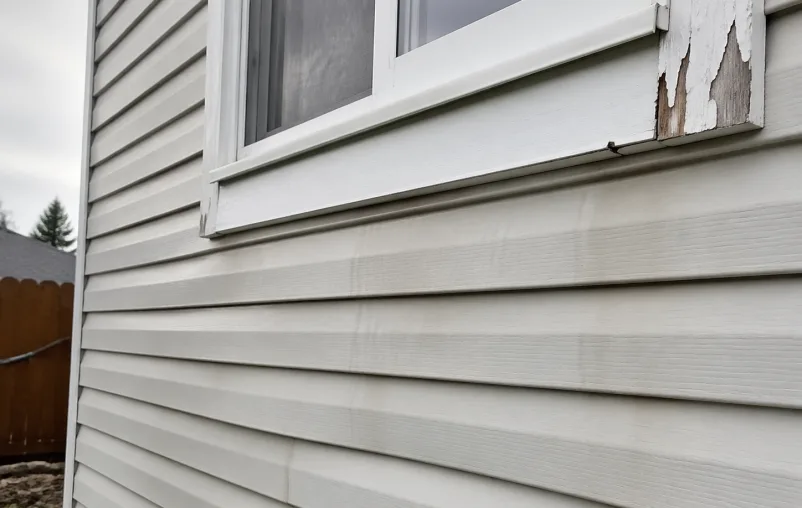
Moisture damage behind siding is one of the most common — and most expensive — problems homeowners face. By the time you see visible rot or mold inside your home, the damage has often been building for months or years. Alba Construction works with Calgary homeowners to catch these problems early, before a minor fix turns into a major renovation. If you know what to look for, siding moisture infiltration can stop it before it compromises your walls, insulation, and structural framing.
Why Siding Moisture Infiltration Happens
Siding serves as your home’s first line of defense against rain, snow, and freeze-thaw cycles. In Calgary, that defense takes a serious beating. Temperature swings, heavy spring rains, and ice buildup in winter all push water into places it should never reach.
Moisture enters through several common entry points. Gaps around windows and doors let water seep behind panels. Cracked or warped siding boards break the seal that keeps weather out. Failed caulking around fixtures and penetrations creates direct pathways for water. Improperly installed flashing allows runoff to travel directly behind the siding surface.
Once moisture gets behind the siding, it has nowhere to go. It saturates the sheathing, soaks into insulation, and begins to break down the wood framing underneath. The damage builds silently until it becomes impossible to ignore.
Bubbling, Warping, or Buckling Panels
One of the first visual signs of siding moisture infiltration is deformation in the panels themselves. When water gets trapped behind vinyl or engineered wood siding, it causes expansion and contraction with temperature changes. This shows up as bubbling on the surface, panels that appear wavy or bowed, or edges that have pulled away from their seating.
This kind of deformation is not just cosmetic. It means the panels no longer sit flush and sealed. Every gap invites more water in. If you notice sections of your siding that look swollen or uneven, do not wait for the next season to act.
Paint Peeling or Staining on Interior Walls
Many homeowners assume peeling paint is a painting problem. Often, it is a moisture problem. When water infiltrates through the siding and into the wall cavity, it migrates inward. It often shows up first on interior drywall — as bubbling paint, discoloration, or soft spots.
Staining along the base of walls near windows or exterior-facing corners is another warning sign. Water follows gravity, so damage appears at the lowest point of its travel. If you see unexplained staining or paint failure on interior walls that share a boundary with an exterior surface, moisture is likely the cause. Professional drywall repair may be needed alongside exterior work to address both sides of the problem.
Mold or Musty Odors Near Exterior Walls
Mold needs three things to grow: moisture, warmth, and organic material. Wall cavities provide all three. When siding moisture infiltration goes unaddressed, mold establishes itself inside the wall long before you can see it. The first sign is often smell — a musty, earthy odor that lingers near certain walls or in rooms with poor air circulation.
Visible mold on baseboards, window frames, or drywall near exterior walls signals a more advanced problem. At this stage, you must eliminate the moisture source before any interior remediation can hold. Treating the mold without fixing the siding only delivers a temporary solution.
Soft Spots, Rot, or Decay Around Window and Door Frames
Wood components around windows and doors are especially vulnerable. Frames, sills, and trim absorb water over time and begin to soften and decay. If you press on the wood around a window frame and it feels spongy, rot has already set in. Flaking or crumbling trim that used to feel solid is another clear indicator.
This kind of damage rarely stays contained. Rot spreads to adjacent framing, and once it reaches structural components, you face a significantly larger repair scope. Catching soft spots early — before they spread — is the difference between a targeted siding repair and a full wall rebuild.
Increased Energy Bills Without an Obvious Cause
Moisture-damaged insulation loses its ability to regulate temperature. When the wall cavity holds saturation or the insulation breaks down, your heating and cooling system works harder to maintain indoor comfort. If your energy bills have crept up without a clear explanation, investigate your siding and wall assembly.
This sign is easy to overlook because it does not look like a construction problem. But the connection between exterior moisture damage and rising energy costs is well established. A thorough inspection of your siding condition can reveal whether your energy loss originates within the walls.
What Happens If You Ignore These Signs
Delaying action on siding moisture infiltration rarely saves money. It almost always costs more. Water damage to sheathing and framing can require partial wall removal and reconstruction. Mold remediation in an enclosed wall cavity demands intensive labor and causes significant disruption. Structural repairs that early intervention could have avoided become unavoidable once framing members break down.
In Calgary’s climate, where winter moisture and freeze-thaw cycles put constant pressure on building envelopes, the window for inexpensive repairs closes quickly. What starts as a cracked panel or failed caulk joint can escalate into a restoration project within a single season if you leave it unaddressed.
Do Not Overlook the Roof Connection
Siding problems and roofing problems connect closely. Water that enters through damaged or poorly flashed roofing can travel down into wall assemblies and appear as siding or interior wall damage. If you see moisture signs near the top of your walls or at ceiling-to-wall junctions, the source may be above.
A compromised roof edge, missing flashing, or damaged shingles can direct water straight into the wall system. Addressing roof repairs as part of a moisture investigation ensures you fix the source, not just the symptom.
How to Respond When You Spot These Warning Signs
Start with a visual inspection of your full exterior. Look for cracked, warped, or discolored panels. Check caulking around every window, door, and penetration. Look for gaps at panel joints and corners. Pay attention to areas where water collects or where drainage moves slowly.
Then move inside. Check the walls that correspond to suspect exterior sections. Look for paint bubbling, staining, soft drywall, or any sign of moisture migration. Note any odors near exterior walls, especially in enclosed spaces like closets that sit against exterior surfaces.
Document what you find and contact a qualified contractor early. The cost of an inspection is nothing compared to the cost of waiting.
Protect Your Home Before Damage Spreads
Siding moisture infiltration does not resolve on its own. It compounds over time, and Calgary’s weather accelerates the process. Alba Construction helps homeowners identify the early signs of water intrusion and take targeted action before damage reaches the structural level. If you have noticed any of the warning signs described here, act now rather than later. Contact Alba Construction to schedule an assessment and protect your home from the inside out. Alba Construction brings the experience and local knowledge needed to address moisture problems correctly the first time.
Frequently Asked Questions
What is the most common cause of siding moisture infiltration in Calgary? Failed caulking and cracked panels are the most frequent entry points. Calgary’s freeze-thaw cycles expand existing gaps, allowing water to bypass the siding surface and enter the wall cavity.
Can siding moisture damage affect my home’s structural integrity? Yes. Prolonged moisture exposure breaks down wood sheathing and framing. Once structural members sustain damage, repairs become significantly more involved and costly.
How quickly can moisture damage spread behind siding? In wet or cold conditions, damage can progress within a single season. Saturation, mold growth, and rot can all develop within months if the moisture source goes unaddressed.
Is it possible to have moisture damage without any visible exterior signs? Yes. Moisture often enters through small gaps that are not immediately visible. Interior signs — peeling paint, soft drywall, musty odors — can appear before any exterior deformation becomes obvious.
Should I repair siding and roofing at the same time? If both show signs of failure, addressing them together is the most effective approach. Fixing one while leaving the other compromised often leads to repeat damage in the same areas.