

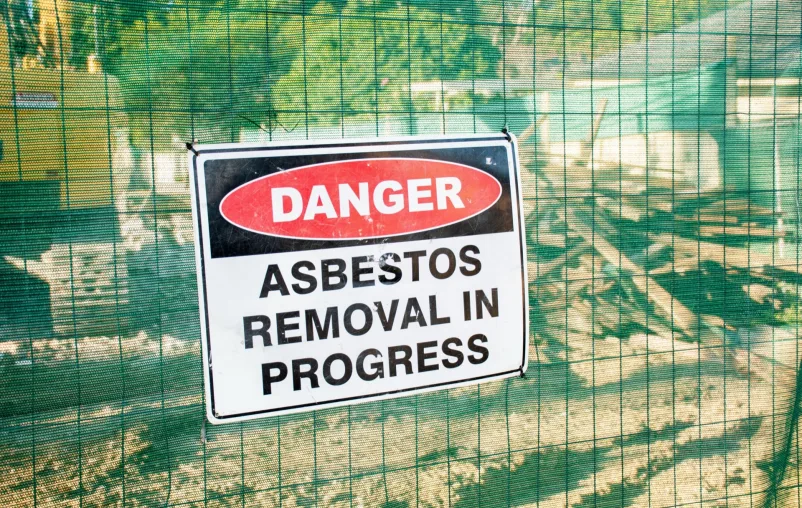
Before any asbestos abatement work begins, proper testing has to happen first. Specifically, this step confirms whether asbestos actually exists and where it’s located. Alba Construction explains what this testing process genuinely involves.
Why Testing Comes Before Any Removal Work
Skipping straight to removal without proper testing creates serious risk. Specifically, disturbing materials without knowing their composition can release dangerous fibers unnecessarily, even in areas that turn out not to contain asbestos at all.
Therefore, testing establishes exactly what you’re dealing with before any physical work begins. This sequence protects everyone involved and prevents wasted effort addressing areas that don’t actually require specialized handling.
How Visual Inspection Starts the Process
Testing begins with a visual inspection of suspect materials. Specifically, technicians look for materials commonly associated with asbestos use during the time period when your home or building was constructed. This initial assessment identifies likely testing locations.
Furthermore, this visual step helps prioritize which areas need sample collection first. Consequently, technicians focus testing resources on the materials most likely to contain asbestos based on age, type, and condition.
What Happens During Sample Collection
Technicians collect small samples from suspect materials using specific techniques designed to minimize fiber release during the process itself. Specifically, samples typically come from inconspicuous areas to avoid unnecessary visible damage to finished surfaces.
Therefore, this collection process itself follows careful safety protocols, even though it represents a much smaller-scale disturbance than full abatement work would involve. Proper technique matters even at this preliminary stage.
Why Laboratory Analysis Takes Time
Collected samples go to specialized laboratories for analysis. Specifically, technicians use microscopy techniques to identify whether asbestos fibers exist within the sample and determine their concentration if present.
Consequently, this analysis typically requires several business days to complete properly. Therefore, homeowners should expect this waiting period as a normal part of the testing process, not a delay or complication.
How Results Determine Next Steps
Test results clearly indicate whether asbestos exists in the sampled materials. Specifically, negative results allow projects to proceed using standard renovation methods, like typical drywall taping and mudding work without special precautions.
However, positive results require developing an appropriate abatement plan before any further work continues. This plan addresses safe removal or containment based on the specific material and location involved.
Why Some Situations Need Testing Before Damage Repair
Sometimes testing becomes necessary specifically because of existing damage. For instance, properties needing restoration services after fire or water damage sometimes require asbestos testing first, especially if the damage has exposed older building materials.
Therefore, this testing step sometimes adds time to restoration timelines. However, skipping this step to save time creates unacceptable safety risk that outweighs any scheduling benefit.
What Happens After Abatement Concludes
Once abatement work finishes and clearance testing confirms safety, normal renovation work can proceed. Specifically, this includes standard painting services and other finishing work that couldn’t safely happen until the asbestos concern was fully resolved.
Consequently, this sequence means asbestos testing and abatement, when necessary, become the first phase of a larger renovation project, not an isolated, separate concern.
Why Material Quality Matters for Post-Abatement Work
After abatement clears an area for normal work, using quality products for subsequent repairs ensures the restored space performs well long term. This consideration matters just as much here as in any standard renovation project.
Therefore, the testing and abatement process, while focused on safety, ultimately sets the stage for quality finishing work to follow once the area is confirmed safe.
2026 Testing Standards Worth Knowing
Testing protocols continue refining their accuracy and speed. Specifically, some laboratories now offer faster turnaround times than previous years, helping reduce project delays while maintaining thorough analysis standards.
Furthermore, documentation practices have become more standardized industry-wide. Consequently, homeowners now receive clearer records confirming testing methodology and results throughout the entire process.
Final Thoughts
Proper asbestos testing protects everyone involved before abatement work ever begins. Alba Construction guides Calgary homeowners through this careful process, ensuring safety comes first in every project.
FAQs
Q: Why can’t abatement work start without testing first?
Disturbing materials without knowing their composition can release dangerous fibers unnecessarily, even in areas without asbestos. Testing confirms exactly what you’re dealing with before any physical work begins, protecting everyone involved.
Q: How long does asbestos testing typically take?
Laboratory analysis usually requires several business days to complete properly. This timeline reflects the careful microscopy techniques needed to identify fibers accurately, not unnecessary delay in the testing process.
Q: What happens if my test results come back negative?
Negative results allow renovation projects to proceed using standard methods without special precautions. This includes typical drywall repair, painting, and other finishing work that doesn’t require abatement protocols.
Q: Does sample collection itself release asbestos fibers?
Technicians follow careful safety protocols during collection, even though it’s a much smaller-scale disturbance than full abatement work. Proper technique minimizes any fiber release during this preliminary sampling stage.
Q: Why might restoration projects require asbestos testing?
Properties needing restoration after fire or water damage sometimes have exposed older building materials. Testing becomes necessary to confirm safety before repair work continues, especially in older buildings.