

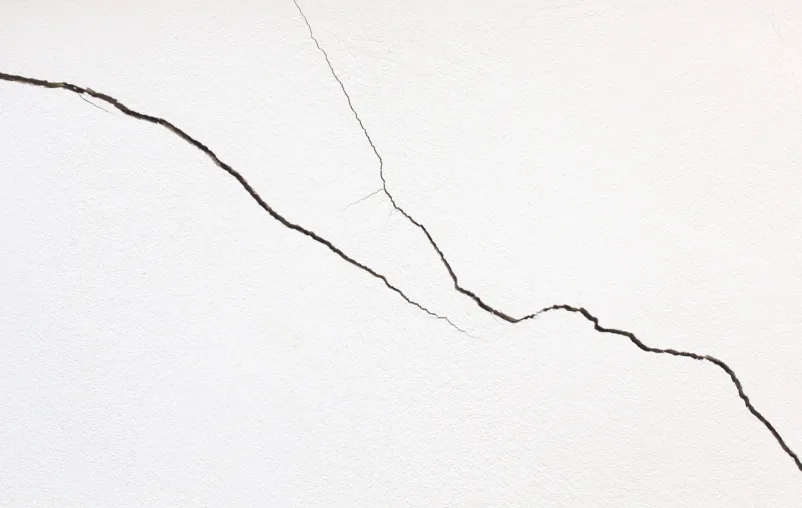
You’ve patched that crack twice. Maybe three times. Each time, it looks perfect for a few months — then it opens right back up. You’re not doing anything wrong. However, the crack keeps returning because the repair addressed the symptom, not the cause.
Drywall cracks that return after patching almost always have an underlying reason. Understanding those reasons helps you fix the problem once and for all, rather than repeating the same repair every season.
Not All Drywall Cracks Are the Same
The first step is recognizing what type of crack you’re dealing with. Specifically, different crack patterns point to different causes, and the fix for each is different.
Hairline cracks along taping seams are the most common type. These often result from improper taping technique during original installation. Consequently, the tape hasn’t bonded properly to the joint compound beneath it, and movement over time opens the crack. Repainting over these cracks without addressing the tape below means the crack reappears through the fresh paint within months.
Diagonal cracks running from the corners of windows and doors point to structural movement or settlement. Furthermore, these cracks tend to get wider over time if the underlying movement continues. Simply filling them with compound and painting over them does nothing to stop the progression.
Horizontal cracks along the mid-wall or at ceiling transitions often indicate moisture — specifically, water that has entered from above or behind the wall surface and caused the drywall to swell, then dry and crack.
Why Cheap Patch Jobs Always Fail
Walk into any hardware store and you’ll find pre-mixed spackling compounds marketed as quick patch solutions. These products have their place for very minor cosmetic repairs. However, they consistently fail on recurring cracks for one reason: they don’t address the joint structure beneath the crack.
Specifically, a proper drywall repair requires removing loose compound, re-embedding or replacing the tape at the joint, applying multiple thin coats of compound with adequate drying time between each, and feathering the edges so the repair blends seamlessly into the surrounding wall.
Skipping any step in that sequence gives you a repair that looks good for 30 to 90 days, then cracks again. Furthermore, each failed repair adds more layers of mismatched compound to the wall, making the next professional repair harder.
Alba Construction’s professional drywall taping and mudding team completes repairs correctly the first time, addressing the joint structure beneath the crack rather than covering it with filler.
The Settlement Factor in Calgary Homes
Calgary’s soil conditions contribute to more drywall cracking than many homeowners realize. Specifically, the city sits on expansive clay soils that shift with moisture content. Wet summers cause the soil to expand. Drier periods cause it to contract. This seasonal movement causes minor but consistent structural movement in home foundations.
Over time, that movement transfers into the framing above, which transfers into the drywall. Therefore, diagonal cracks at window corners, stair-step cracks in corners, and cracks above doorways often relate directly to this natural seasonal movement.
In these situations, the repair needs to account for ongoing movement. Specifically, flexible joint compounds and proper joint reinforcement techniques allow the repair to flex slightly rather than crack. A standard hard-fill patch in a settling area will crack again within one season.
When Moisture Is the Real Culprit
Moisture-related drywall cracks deserve special attention because they indicate an active problem. Specifically, a crack that returns in the same location after a rainy period signals that water is entering from somewhere — and that source needs fixing before any cosmetic repair makes sense.
Check for roof issues above recurring ceiling cracks. Similarly, recurring wall cracks near windows often indicate failed caulking or flashing around the window frame itself. In Calgary summers, intense rain events drive water into gaps that seem harmless in dry weather.
Additionally, if hail damaged your roof or exterior surfaces this season, water may have found its way inside. A hail damage repair assessment identifies whether exterior damage connects to interior moisture problems. Fixing the exterior entry point first makes any interior drywall repair last.
Older Homes Need Extra Caution
In pre-1990 Calgary homes, drywall repairs carry an additional consideration. Specifically, some older homes used gypsum products that contained asbestos, or used asbestos-containing joint compounds. Before sanding or removing old compound in homes from this era, arrange an asbestos inspection to confirm the materials are safe to work with.
Additionally, older homes sometimes have exterior wall cracks that connect to moisture entry through aged siding. In these cases, siding repair on the exterior resolves the moisture source while drywall repairs address the interior damage simultaneously.
The Finishing Step That Most DIY Repairs Miss
Correct drywall repair does not end at the compound stage. Specifically, the surface texture of your walls matters for the final result to disappear into the surrounding wall. Most Calgary homes have a specific orange peel, smooth, or stipple texture on their walls. Matching that texture takes practice and proper tools.
Furthermore, even a structurally sound repair looks obvious if the texture doesn’t match. This is one of the main reasons professionally finished repairs look invisible while DIY patches remain visible under light at certain angles.
After the texture matches, interior painting services with proper primer and topcoat application seal the repair completely. The result looks like the crack never existed.
Frequently Asked Questions
Why does my drywall crack in the same spot every year? Recurring cracks usually signal an ongoing cause — settlement movement, seasonal humidity changes, or a moisture source. Filling the crack without addressing the cause produces a repair that fails on the same schedule every time.
Can I fix a recurring drywall crack myself? Minor hairline cracks along smooth surfaces are manageable DIY projects. However, diagonal cracks at door and window corners, cracks that widen over time, or cracks accompanied by moisture signs need professional assessment and repair.
How many coats of compound does a proper drywall repair need? A proper repair requires a minimum of three coats — a base coat for the tape or fill, a second coat to build and smooth, and a finish coat for blending. Each coat must dry completely before the next. Rushing this process causes cracking.
Does settlement drywall cracking mean my foundation is failing? Not necessarily. Minor seasonal movement in Calgary’s clay soils causes small cracks that don’t indicate structural problems. However, rapidly widening cracks, stair-step patterns across multiple walls, or cracks accompanied by sticking doors and windows warrant a structural assessment.
How do I know if my drywall crack is cosmetic or structural? Hairline cracks along seams that stay the same size over time are typically cosmetic. Cracks that grow wider, run diagonally from corners, or appear alongside other signs of movement like uneven floors or sticking doors may indicate a structural issue worth investigating.